Vaelendrix Xyriath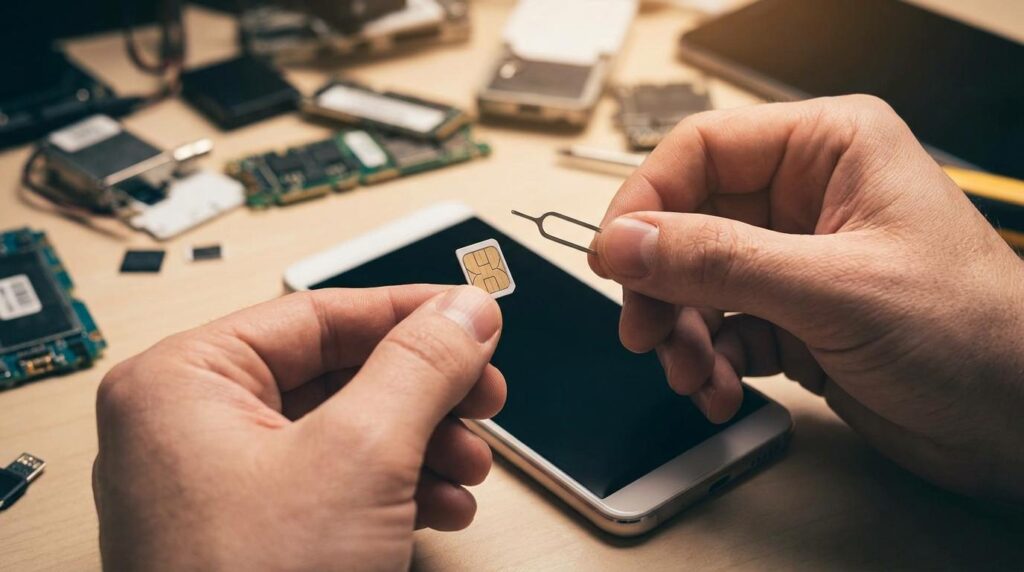
The way people connect to mobile networks is changing almost as quickly as the smartphones in their pockets. Physical SIM cards have been a standard part of mobile communication for decades, but newer devices are increasingly embracing embedded connectivity. This shift is especially relevant for travelers, remote workers, digital professionals, and anyone who regularly switches between mobile networks.
At the center of this change is the eSIM card, a digital alternative to the traditional removable SIM. Instead of inserting a small piece of plastic into a phone, compatible devices can store mobile-network credentials electronically. Holafly is among the companies helping consumers understand and use this newer approach to mobile connectivity.
For people who follow developments in smartphones, gadgets, apps, and digital communication, eSIM technology is more than a minor hardware change. It represents a broader move toward devices that are more flexible, connected, and less dependent on physical components.
What Is an eSIM?
An eSIM, or embedded SIM, performs the same fundamental function as a conventional SIM: it allows a mobile device to connect to a cellular network through an appropriate mobile plan.
The important difference is how the SIM information is stored.
A traditional SIM is a removable physical component. An eSIM is built into the device itself. Instead of replacing a physical card when changing compatible plans, users can typically activate or download a supported cellular plan through software.
The exact activation process depends on the device and mobile carrier. Some providers use QR codes, while others use an app or another digital activation method.
This makes eSIM technology an important example of how hardware and software are becoming increasingly interconnected.
Why Smartphone Manufacturers Are Moving Toward eSIM
Modern smartphones are designed around increasingly compact internal components. Manufacturers are constantly looking for ways to use limited physical space more efficiently while adding features such as larger batteries, improved cameras, advanced processors, and better wireless connectivity.
Removing the need for a removable SIM tray can provide additional design flexibility.
There is also a broader industry trend toward digital provisioning. Many services that once required physical objects can now be configured through software. Cloud storage has reduced dependence on physical storage devices, digital wallets have reduced the need to carry multiple cards, and streaming services have replaced many physical media formats.
eSIM technology fits naturally into this transition.
Instead of treating cellular connectivity as something that requires a removable object, manufacturers can make it part of the device’s integrated digital architecture.
eSIM and International Travel
International travel is one of the situations where the practical difference between physical and embedded SIM technology becomes particularly noticeable.
Travelers traditionally have several options when arriving in another country. They may use international roaming from their existing carrier, purchase a local SIM card, rent a portable Wi-Fi device, or obtain a local mobile plan.
Physical SIM cards can work well, but they require handling a small piece of hardware. Travelers may need to find a store, purchase the appropriate SIM, remove their existing card, and keep the original SIM somewhere safe.
An eSIM-compatible phone can simplify this process by allowing a compatible mobile plan to be activated digitally.
For frequent travelers, this can make connectivity easier to manage before and during a trip. It can also reduce the need to physically exchange SIM cards every time a traveler changes networks.
The Convenience of Using Multiple Mobile Plans
Another interesting feature of eSIM technology is its potential to make multiple mobile plans easier to manage.
Many modern devices can support more than one cellular profile, although the exact number of stored or active profiles varies by device. This can be useful for people who maintain separate personal and business numbers or who regularly travel internationally.
For example, a user might keep their primary domestic number available while adding a temporary travel plan for another country.
This creates greater flexibility without requiring users to carry several physical SIM cards.
However, consumers should always check their specific phone model, carrier, and regional restrictions before purchasing an eSIM plan. Compatibility is not universal, and features can differ between devices and networks.
What Are the Advantages of eSIM Technology?
The benefits of eSIMs extend beyond simply eliminating a SIM tray.
Easier Plan Activation
Compatible plans can often be activated digitally. This can eliminate the need to visit a physical store simply to obtain a SIM card.
Less Physical Hardware
Because the SIM is integrated into the device, there is no removable card that can be misplaced or damaged separately.
Useful for Travelers
International travelers can potentially arrange connectivity before reaching their destination, depending on the provider and plan.
Greater Device Design Flexibility
Removing the traditional SIM tray gives manufacturers another opportunity to rethink internal hardware layouts.
Convenient Multiple-Number Management
Compatible smartphones may allow users to maintain multiple cellular profiles or numbers, depending on carrier and device capabilities.
Are There Any Downsides?
Like any technology, eSIMs are not perfect for every situation.
The first consideration is compatibility. A phone must support eSIM functionality, and the carrier or service provider must support the relevant device and network.
Older smartphones may only support physical SIM cards.
Another consideration is device switching. With a physical SIM, moving your mobile number to another compatible phone can sometimes be as simple as removing the card and inserting it into the new device. With an eSIM, transferring service may require following a carrier’s digital activation or transfer process.
Carrier policies also differ. Some providers make eSIM activation extremely straightforward, while others may require additional verification.
For these reasons, users should check compatibility and activation requirements before changing their mobile setup.
eSIM and the Future of Connected Devices
The significance of eSIM technology goes beyond smartphones.
As more devices become connected to cellular networks, embedded connectivity can become increasingly useful. Tablets, smartwatches, laptops, connected vehicles, industrial equipment, and other devices can potentially benefit from digital cellular provisioning.
This fits into the wider development of the Internet of Things, where everyday objects increasingly communicate with online services.
Imagine a laptop that can connect to a cellular network without requiring a physical SIM. Consider a connected vehicle that can maintain cellular connectivity across different markets. Think about a smartwatch that can operate independently from a nearby smartphone.
These scenarios depend on many technologies working together, but embedded cellular connectivity is an important part of the infrastructure behind them.
eSIM and the Changing Mobile Experience
The most important change may not be the disappearance of the SIM card itself. It is the shift in how consumers think about mobile connectivity.
For years, changing networks involved changing physical hardware.
The newer model treats connectivity more like software.
Users can select a compatible plan, activate it digitally, manage their profiles, and potentially switch between services without opening their devices or handling a tiny piece of plastic.
This reflects a much broader transformation happening throughout consumer technology.
Hardware is becoming increasingly connected to software services, while many traditionally physical processes are moving into digital interfaces.
What Consumers Should Check Before Using an eSIM
Before purchasing or activating an eSIM plan, users should check several details.
Device compatibility: Make sure the exact smartphone, tablet, smartwatch, or laptop model supports eSIM functionality.
Carrier compatibility: Not every mobile network supports every eSIM-enabled device.
Network coverage: Check whether the intended plan provides service in the locations where it will be used.
Activation requirements: Some providers require QR codes, apps, account verification, or other activation methods.
Device locking: A carrier-locked phone may have restrictions that prevent it from working with another provider’s plan.
Data requirements: Consider how much mobile data will actually be needed, particularly when traveling.
Checking these details beforehand can prevent connectivity problems later.
The Bigger Technology Trend
The move from physical SIM cards toward embedded connectivity is part of a larger story about how technology is becoming increasingly software-driven.
Consumers now expect smartphones to handle payments, authentication, entertainment, navigation, communication, photography, and countless other tasks through software.
Connectivity is following the same direction.
Instead of requiring a physical component every time a user changes service, modern devices can increasingly handle network configuration digitally.
For technology enthusiasts, this is an important development to watch because it connects several major trends at once: smartphones, cloud services, digital identity, connected devices, international travel, and the Internet of Things.
Final Thoughts
eSIM technology represents a relatively small change in the physical design of a smartphone, but its implications are much broader.
By moving cellular connectivity from a removable card into an embedded digital component, manufacturers and network providers can create new ways for consumers to activate, manage, and use mobile services.
For everyday smartphone users, the biggest benefit may simply be convenience. For travelers, it can make international connectivity easier to arrange. For manufacturers, it offers additional design flexibility. And for the wider connected-device ecosystem, it provides another building block for a more software-driven future.
As smartphones, wearables, laptops, vehicles, and other gadgets become increasingly connected, embedded connectivity is likely to remain an important part of the technology landscape.
About Author