Vaelendrix Xyriath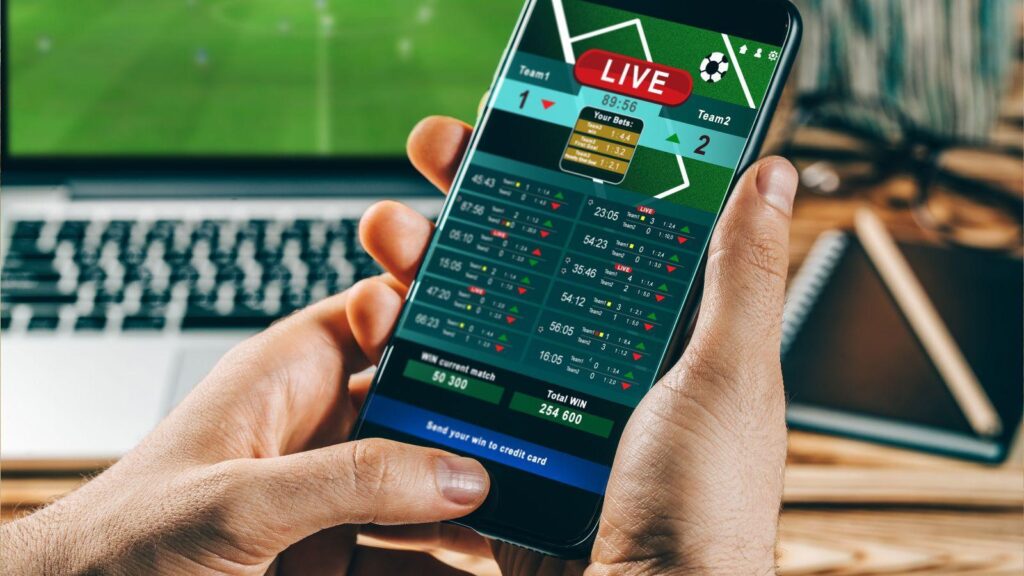
Watch a football match online and somebody will probably ask for your prediction before kickoff.
Open a weather app and you’ll get the chance of rain tomorrow. Financial pages are full of forecasts. Election coverage has models. Fantasy leagues want you to guess which players will be best. Social media turns almost anything into a poll.
The internet seems increasingly interested in one question: what happens next?
And it rarely wants you to just sit there and watch.
Prediction turns watching into participation
There’s a real difference between reading about an event and making a prediction about it.
Once you pick an outcome, you’ve got something riding on what happens next, even if the only thing at stake is being right in front of your friends.
That’s why predictions fit sport so naturally.
A fan poll asking who’ll win takes seconds to answer. Fantasy sports stretch the same idea across an entire season. Score predictors can make people care about a late goal in a match they might otherwise have stopped watching.
The event hasn’t changed.
Your relationship with it has.
Sport has built a whole layer around prediction
Sports coverage has always contained predictions. Pundits were picking winners long before apps existed.
Digital media just made the habit interactive.
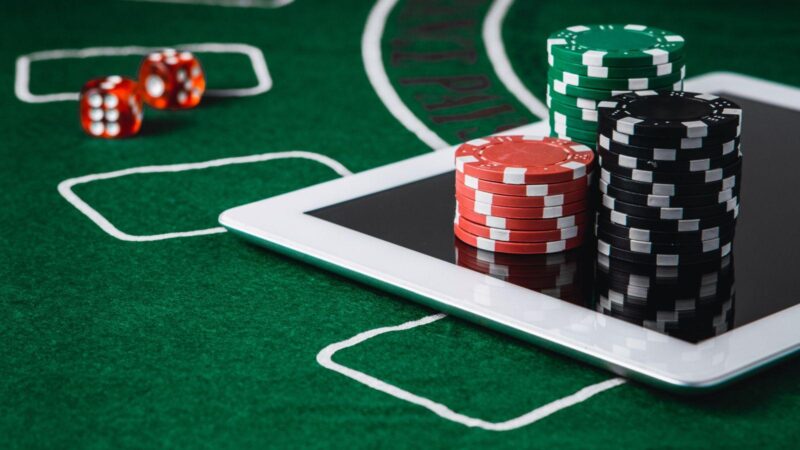
Now a match preview might sit beside a fan poll, fantasy statistics, expected line-ups and a score predictor. Sports betting formalizes the same basic act by attaching money and odds to the outcome. A platform such as Bet Jordan is one version of that, alongside fantasy games and prediction tools that ask users what they think will happen next.
The stakes are obviously different.
Guessing a score in a free competition isn’t the same as putting money on the result. But both start with the same small mental exercise: look at what you know and commit to an answer before reality gets there first.
Weather quietly taught everyone probability
Weather forecasting may be the most ordinary example of prediction in daily life.
People who’d never describe themselves as interested in probability still understand what a 30% chance of rain is trying to tell them.
The US National Weather Service increasingly publishes probabilistic forecasts alongside its most likely forecast, showing ranges of possible outcomes instead of pretending there’s only one possible future.
Most people don’t open a weather app because they’re fascinated by forecasting models.
They want to know whether to take a coat.
That everyday use has made uncertainty feel surprisingly normal. You see a percentage, make a judgment and carry on.
Finance makes the whole thing feel more serious
Move into financial markets and the mood changes quickly.
There are analyst forecasts, earnings expectations and endless attempts to estimate where prices might go. The language can sound very precise, but the future remains stubbornly uncooperative.
The US Securities and Exchange Commission warns investors that projections and performance targets can create unrealistic expectations, and that past performance doesn’t necessarily predict future results.
That hasn’t reduced our appetite for forecasts.
If anything, financial apps have put more of them in front of ordinary users. A market can be rising today and still be surrounded by arguments about what it’ll do next week.
Sometimes the prediction becomes almost as interesting as the price.
Election models brought probability into the news
Elections offer another version of the same habit.
Modern coverage can include polling averages, race ratings and statistical models that turn large amounts of political data into probabilities or ranges of possible outcomes.
For the 2026 US congressional elections, for example, Decision Desk HQ has published a forecasting model that combines polling with other indicators and simulations.
The number on screen can look wonderfully definite.
It isn’t.
A probability is still a statement about uncertainty, not a preview of something that has already happened. That distinction gets lost easily once a percentage becomes the headline.
Weather forecasts have the same problem, just with fewer arguments on television.
Games discovered the same trick
Games have embraced prediction too.
Sometimes it’s obvious. Pick the winner. Guess what another player will do. Choose which character or team will advance.
Other times, prediction is buried inside the game itself.
Strategy games constantly ask players to anticipate an opponent. Competitive games reward you for reading what another person is likely to do a few seconds ahead. Even a simple card game gets more interesting once you start wondering what might be in someone else’s hand.
Prediction gives the player a small piece of the future to argue with.
That’s more engaging than simply waiting to see what happens.
Social media made forecasting casual
Then there are polls.
Who wins tonight? Which product gets announced? Will this show be renewed? What will the score be?
Most of these predictions have little analytical value.
That’s fine.
Sometimes the entire point of a poll is to make someone stop scrolling for two seconds and pick a side.
There’s a small pleasure in committing to an answer before everybody knows the answer.
There’s also the pleasure of coming back later and finding out you were right.
Nobody seems to remember the wrong predictions quite as fondly.
Not every prediction is doing the same job
This is where all these systems begin to separate.
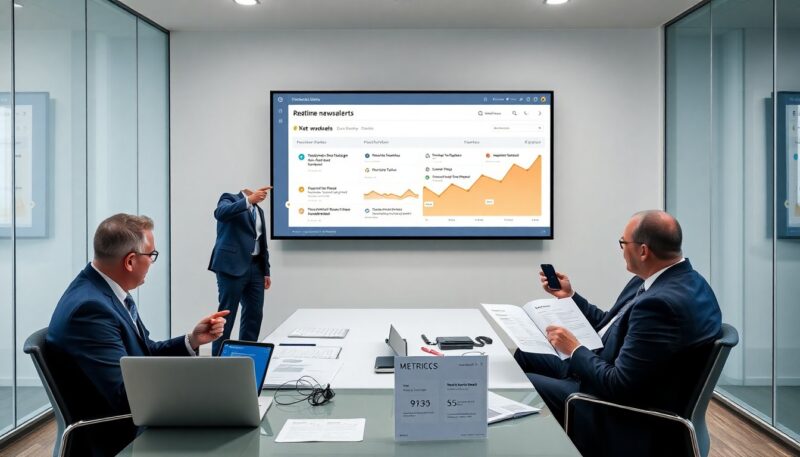
A weather forecast helps someone make a practical decision. A financial forecast may affect where money is invested. An election model tries to describe uncertainty around a political result. A fantasy league turns forecasting into competition between friends.
A social poll might just fill thirty seconds.
Putting money behind a prediction changes things again because being wrong now has a direct cost.
The screen may still show percentages, charts or possible outcomes, but the consequences aren’t interchangeable.
That’s easy to forget when the interfaces can look remarkably similar.
We like finding out whether we were right
Prediction works online because it gives information a second act.
First you see the event coming.
Then you make a call.
Later, reality checks your work.
That loop fits almost anywhere, which explains why prediction keeps showing up in places that have very little else in common.
Tomorrow’s weather. Sunday’s match. Next quarter’s earnings. An election months away.
The internet keeps offering us the future in small boxes.
Most of the time, we click one.
About Author