Phaelindrose Explained: Origins, Characteristics, and How to Grow It (2026 Guide)
 Zynthoris Phaelindrose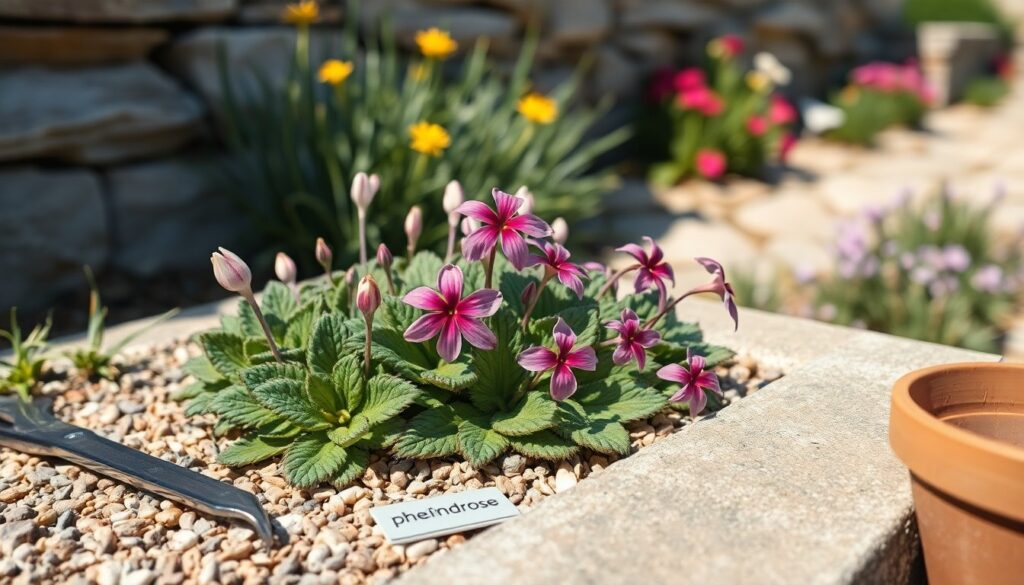
Phaelindrose refers to a flowering plant with unique leaves and blooms. The guide defines phaelindrose and shows how to identify it. It lists key traits and short care steps. Readers will get clear facts for starting plants or confirming wild finds. The term phaelindrose appears in botanical notes and hobbyist guides. This article uses plain language and direct steps to help readers recognize and grow phaelindrose.
Key Takeaways
- Phaelindrose is a perennial flowering plant notable for its five-petaled flowers and distinct veined leaves, making it identifiable in both wild and garden settings.
- This plant thrives best in full sun with well-drained soil and tolerates cool temperatures and mild frost, making it suitable for rock gardens and borders.
- Routine care for phaelindrose includes light weeding, seasonal feeding, removing dead flower stalks, and splitting clumps to maintain plant vigor.
- Phaelindrose attracts pollinators like bees and flies, adding ecological value alongside seasonal color to gardens.
- While related species have traditional herbal uses, phaelindrose should not be ingested without expert advice, and contact may cause mild skin irritation in sensitive individuals.
What Is Phaelindrose? A Clear Definition and Identification Guide
Phaelindrose is a perennial flowering plant. It grows from a short stem and forms a clump. The plant produces five-petaled flowers that range from pale pink to deep magenta. Its leaves sit in a basal rosette and have a slightly serrated edge. Botanists classify phaelindrose in a small genus related to rock garden plants. Gardeners spot phaelindrose by its compact habit and by the distinct veining on its leaves. Field identifiers note the flower shape, the leaf pattern, and the growth form. When in bloom, phaelindrose attracts small bees and flies.
Origins, History, and Naming of Phaelindrose
Phaelindrose originated in temperate mountain regions. Early collectors found it on rocky slopes and shelf ledges. Explorers first described phaelindrose in the mid-1800s. Those early descriptions used simple sketches and field notes. The name phaelindrose likely mixes a local place name with the Greek word for flower. Taxonomists later placed phaelindrose in a small clade after they compared seeds and petals. Nurseries began to offer phaelindrose in the 20th century. Hobbyists then spread the plant to private gardens and small public collections.
Botanical Characteristics and How to Tell It Apart From Similar Species
Phaelindrose shows a consistent set of botanical traits. It has a short taproot and fibrous side roots. The stems remain low and often stay close to the ground. Flowers open in early spring and last four to six weeks. Seeds form in a small capsule that dries and splits. To tell phaelindrose from lookalikes, check leaf veining and petal notch shape. Similar species may have taller stems or different seed capsules. Phaelindrose also tends to have a specific hair pattern on the leaf underside. A quick field test examines the flower base and the seed capsule shape.
Growing Conditions and General Care Overview
Phaelindrose prefers bright light and good drainage. It tolerates partial shade but it flowers best in full sun. Gardeners place phaelindrose where water drains fast. The plant handles cool temperatures and mild frost. It does not like waterlogged soil. Routine care for phaelindrose includes light weeding and seasonal feeding. Gardeners remove dead flower stalks to encourage new growth. They inspect plants regularly for pests and signs of disease. Phaelindrose responds well to split clumps every few years to keep vigor strong.
Uses, Potential Benefits, And Known Risks
Gardeners use phaelindrose as a border plant and in rock gardens. The plant attracts pollinators and adds seasonal color. It also works in containers and small beds. Some herbalists have noted traditional uses for related species, but formal studies on phaelindrose are limited. People should avoid ingesting plant parts without expert guidance. Skin contact may cause mild irritation in sensitive people. The plant shows low toxicity in standard tests, but children and pets may react differently. Growers label plants clearly and they store seeds in secure containers.
About Author