How the Latest Dota 2 Patch Is Impacting Leading Teams Ahead of The International 2026 Qualifiers
 Sarah Jacobson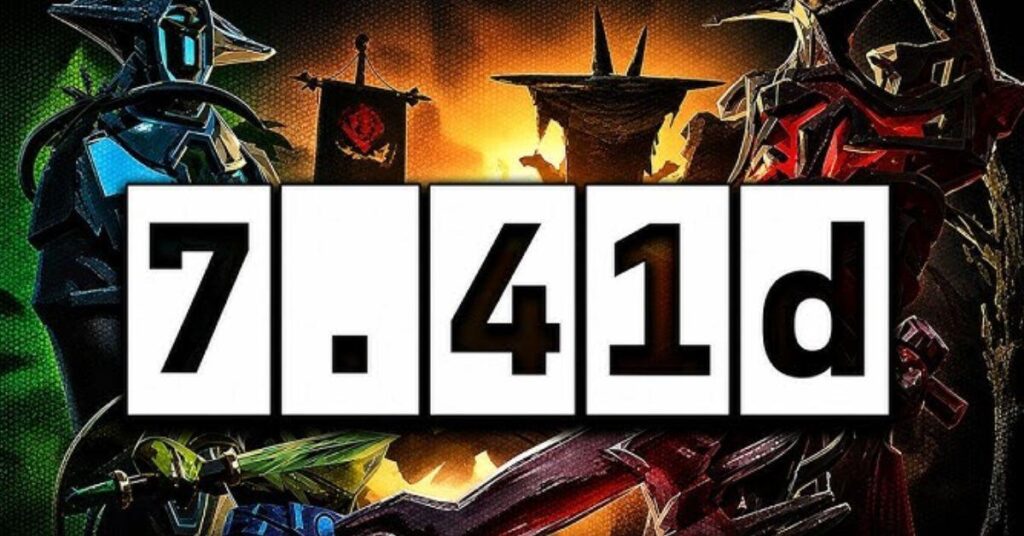
There are just a few weeks to go before the start of The International 2026 qualifiers, and teams are busy preparing. Most of them were expecting a period of stability, but a new patch was recently released for Dota 2. Whilst it hasn’t turned their preparations upside down, professional squads will certainly need to take it into account if they want to perform well.
The first results from matches following the update have already highlighted changes in the effectiveness of certain heroes and items, and what worked in tournaments back in May has suddenly stopped delivering victories. In this article, we’ll cover the key points of patch 7.41d, why it matters, and how teams are preparing for the qualifiers for the year’s biggest Dota 2 tournament.
Why Are Top Teams Struggling To Adapt To The New Meta So Quickly?
The last patch came out at a rather awkward moment for the professional scene. Usually, big changes appear after the completion of the key tournaments of the season, but this time Valve made large-scale adjustments during BLAST SLAM VII, but the teams played out the tournament on the old patch. It is also worth considering that changes in the balance of the game took place immediately before the regional selections for The International 2026, held in June.
The changes have been particularly noticeable for teams that relied on consistent draft strategies. For example, line-ups such as Team Spirit, bb and Xtreme Gaming, which predominantly use heroes that have been significantly nerfed following the patch. Another factor has been the change in the pace of the game; the general trend is towards longer matches, which is not particularly popular with either players or spectators.
Adding to the anxiety is the fact that teams have a limited number of official matches in which to test new strategies. Analysts are forced to rely on high-tier pubs and scrims, where information is often contradictory. So, when reading esports platforms and video game news source, many players focus specifically on the current game balance to identify the best heroes in the current patch. Since even minor changes to hero abilities can affect their win rate, teams participating in the TI 2026 qualifiers must learn patch 7.41d by heart.
Which Hero Changes Have Created The Biggest Problems For Professional Teams in 7.41d Patch
Patch 7.41d isn’t particularly extensive, but there are several important changes that both casual and professional players need to take into account. The changes to popular heroes in the first and second positions have caused the most of a stir.
Among the buffs, it’s worth highlighting the increased casting range and slow effect of Flux for Arc Warden. Morphling and Spectre have also been significantly buffed, confirming the theory that carry heroes have been strengthened in the new patch.
At the same time, some meta heroes have been nerfed. These include Huskar, whose Burning Spear burn damage has been reduced, and Tiny, who was one of the most effective core heroes in the previous patch.
The first days of the patch have also shown a rapid increase in the win rates of certain support heroes. While many teams previously built their strategies around powerful core heroes, it is now enough to pick one strong carry along with meta supports that provide utility, map control, and vision. For teams that use similar draft structures, patch 7.41d is an opportunity to improve their results.
Why Are Coaches And Analysts Working Around The Clock Before Qualifiers?
It seems that the main goal for teams should be to compete in Tier-1 tournaments, but at the moment most teams are focused specifically on qualifying for the EWC and The International 2026. Qualifying for the year’s major tournaments is more important to them than taking part in regular tournaments and leagues.
Ahead of major tournaments, the analytics team often works just as hard as the main squad, so following the release of a new patch, the workload on the coaches has increased several-fold. Coaches review dozens of replays every day, analysing team movements across the map, the timing of key item purchases, and hero behaviour following balance changes. Even a single successful strategy discovered by competitors can influence the results of regional qualifiers.
A case in point is the situation after the release of previous major patches. According to the statistical portals and official pages of Liquipedia and ESL, teams that found effective scoring solutions faster than others often exceeded expectations at the selections. That is why now many organizations are conducting more tactical training instead of the classic game in pubs.
Could The New Patch Completely Change The Favorites For TI 2026 Qualifiers?
The history of Dota 2 has repeatedly shown that major patches can radically shift the balance of power. Patch 7.41d is not a major update and does not have a significant impact on the game’s balance. Most professional teams have already found the right strategies and are ready to show their best form.
Some teams still build a new style of play around a specific set of characters and the pace of the game. If the new goal does not match their strengths, the adaptation may take longer than the calendar allows. At the same time, lesser-known teams get a chance to close the gap with the giants.
However, it is worth considering that Valve may release a more global one. Therefore, the current panic among the top teams has very real grounds. It’s not about emotions or exaggeration, but about the risk of losing a place in the main tournament of the year due to improper preparation or strategy in the new patch.
Conclusion
The new Dota 2 patch has added an element of unpredictability to the professional scene. The changes have affected key heroes, altered the pace of matches and forced teams to rethink their strategies just before the start of the qualifiers for The International 2026. For the favourites, this means the risk of losing the advantage they have built up throughout the season, whilst for the underdogs, it presents a chance to break into the top tournament. In the coming weeks, we will find out which teams are best prepared, whether individual skill or teamwork is stronger, and who will qualify for the main Dota 2 tournament of the year, The International 2026.
About Author