Never Miss A Headline: Best Gadgets And Setup Tips For Digital News Alerts In 2026
 Zynthoris Phaelindrose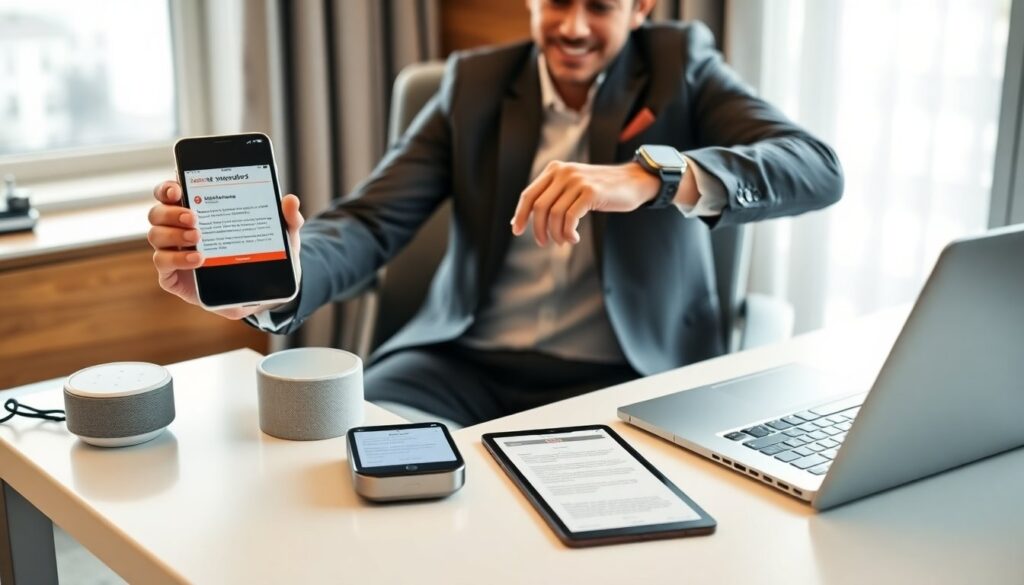
Digitalnewsalerts gadgets keep users informed in real time. The article shows top devices, simple setup steps, and practical tips. It helps readers choose the right gadget and tune alerts for relevance and speed. The guidance suits busy people who need fast, reliable news without noise.
Key Takeaways
- Digitalnewsalerts gadgets like smartphones, smartwatches, and smart speakers offer fast and tailored real-time news delivery for busy users.
- Choosing the right digitalnewsalerts gadgets involves considering battery life, notification speed, app ecosystem, and privacy controls to enhance alert reliability.
- Setting clear news alert goals and prioritizing trusted sources ensures digitalnewsalerts gadgets deliver relevant and timely updates effectively.
- Utilizing official apps and keyword filters on digitalnewsalerts gadgets reduces noise and improves focus on critical information.
- Combining multiple devices with smart routing and quiet scheduling optimizes digitalnewsalerts gadgets for balanced immediacy and minimal distractions.
- Regularly reviewing and adjusting alert settings on digitalnewsalerts gadgets keeps news delivery accurate and aligned with user needs.
Top Gadgets For Receiving Real-Time News Alerts
Smartphones remain the core device for digitalnewsalerts gadgets. Users receive push alerts, sound cues, and lock-screen summaries. Modern phones process alerts fast. They run apps that filter headlines by keyword and topic. High-end phones add hardware haptics and adaptive display features. These features make it easier to notice critical alerts quickly.
Smartwatches act as a secondary delivery for digitalnewsalerts gadgets. They show brief headlines and priority badges. They save users time by removing the need to pull out a phone. Devices with long battery life and clear screens work best for long shifts or travel. Rugged smartwatches suit field reporters or people who move a lot.
Smart speakers provide hands-free briefing options for digitalnewsalerts gadgets. Users ask the speaker for a news summary. Speakers stream bulletins from trusted sources. They work well at home or in small offices. Privacy-conscious users should review voice-activation settings before enabling frequent alerts.
Dedicated news displays and smart clocks serve as passive sources for digitalnewsalerts gadgets. These small devices show scrolling headlines and alert icons. They work well on a desk, kitchen counter, or bedside table. They reduce device switching and keep news visible without interruptions.
Portable e-ink readers also accept news alerts on select models. They display headlines with minimal battery impact and low eye strain. Commuters who read on e-ink devices find this option useful for long trips. Integration with RSS and email feeds increases the value of e-ink displays.
When choosing any gadget for digitalnewsalerts gadgets, buyers should weigh battery life, notification latency, app ecosystem, and privacy options. They should prefer devices that let them control alert priority and source list. A clear priority feature reduces false alarms and improves focus.
How To Optimize Your Devices And Apps For Timely, Relevant Alerts
Set goals first. The user should define which topics and sources matter. The user should list keywords and publishers they trust. The user should set the alert frequency they prefer.
Use official apps when possible. Official publisher apps deliver alerts faster and with clearer source tags. Third-party aggregators can combine multiple feeds for convenience. Aggregators may add latency or duplicate alerts. The user should test speed and reliability before relying on an aggregator.
Keep operating systems and apps updated. Updates fix bugs and improve notification delivery. The device should run the latest stable OS to reduce missed alerts. The user should enable background refresh for news apps.
Manage app permissions. The user should allow precise location only when a service needs it. The user should restrict unnecessary permissions to protect privacy. The user should enable critical alert permissions for high-priority sources to bypass Do Not Disturb when needed.
Prioritize sources. The user should star or mark favorite feeds in apps. The user should turn off low-value alerts. The user should create a short list of high-trust publishers and local outlets. This list reduces noise and boosts signal.
Use keyword filters. The user should add a short list of exact keywords in news apps. The user should use exclusion terms to block recurring spam topics. Exact-match keywords reduce irrelevant alerts.
Test multiple delivery channels. The user should pair phone alerts with a smartwatch or smart speaker. The user should set the most urgent items to push to both phone and watch. Less urgent items can go to email or a feed reader. This approach balances immediacy and calm.
Automate smart routing. The user should create rules that send certain alerts to specific devices. The user should route local breaking news to the phone and daily briefings to the smart speaker. Automation cuts manual filtering time.
Schedule quiet times. The user should use Do Not Disturb and allow exceptions for top sources. The user should set quiet hours for sleep and focus. The user should keep a short list of emergency contacts and outlets that can override quiet mode.
Notification Settings, Aggregation Tools, And Battery/Privacy Tips
Notification settings affect delivery speed and relevance. The user should enable high-priority alerts for breaking news. The user should set banner and sound options only for essential updates. The user should avoid alert tones that mimic other apps to prevent confusion.
Aggregation tools collect feeds into one place. The user should pick an aggregator that supports RSS, webhooks, and native publisher APIs. The user should check for deduplication and fast polling intervals. The user should avoid aggregators that rely on long polling delays.
Battery management keeps gadgets ready. The user should disable battery saver for chosen news apps. The user should use low-power display modes for passive devices. The user should charge smartwatches and speakers overnight to prevent missed alerts during active hours.
Privacy controls protect personal data. The user should review which news apps share analytics. The user should turn off data sharing where possible. The user should use app-specific passwords for premium news services and enable two-factor authentication.
Use selective sync for feeds. The user should limit background downloads to essential feeds. The user should reduce the number of active feeds to lower data use and save battery. The user should sync larger media only on Wi-Fi.
Test and adjust periodically. The user should run a weekly review of alert quality. The user should remove noisy sources and add new trusted outlets. The user should refine keywords and mute topics that no longer matter.
Combine simple hardware choices with focused software rules. The user should pair a reliable phone with a secondary device like a watch or smart speaker. The user should configure only the most important alerts to bypass quiet modes. This setup keeps critical headlines visible and minimizes distraction.
About Author