Zynthoris Phaelindrose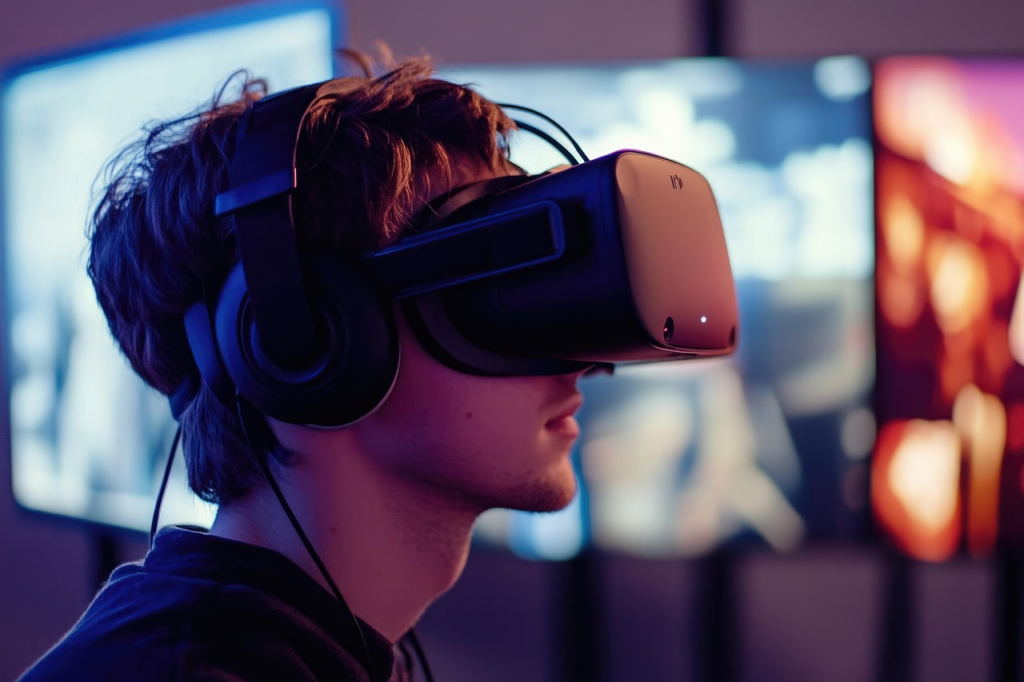
The way people work has shifted massively over the last few years. What used to sound futuristic, working from your sofa, joining meetings from another country, collaborating without ever stepping into an office, is now just normal life for loads of people. And while video calls and messaging apps kicked things off, virtual reality is starting to push remote work into a completely different lane.
VR tech isn’t just about gaming anymore. It’s moving into business spaces in a pretty serious way, especially when it comes to virtual offices and remote collaboration. Companies are beginning to realise that staring at flat screens all day can feel draining and disconnected, and that’s where immersive workspaces start making sense.
Virtual offices are becoming a real thing
At first, the idea of a “virtual office” sounded a bit gimmicky. Most people imagined awkward avatars floating around like something out of an old sci-fi film. But the technology has come a long way, and now these environments actually feel surprisingly natural.
Instead of joining another boring grid-style video call, employees can step into a digital office space where they interact in a much more realistic way. You can walk over to someone’s desk, have quick chats, brainstorm in virtual meeting rooms, or even present projects on giant digital screens.
It adds back some of the social energy that remote work often kills off. A lot of people working from home say the hardest part isn’t the workload, it’s the isolation. You miss random conversations, office banter, and that feeling of being around a team. Virtual offices are trying to bring some of that back without forcing everyone into a physical building five days a week.
The role of VR in remote work
This is where the whole setup starts getting interesting. A VR Headset basically acts as the gateway into these immersive workspaces. Once you put it on, you’re not just looking at a meeting on a screen anymore, you’re inside the environment itself.
That changes how people communicate. Body language, movement, spatial audio and interaction all feel way more natural compared to standard calls. Instead of sitting silently waiting for your turn to unmute, conversations tend to flow more organically.
People also report feeling more “present” during meetings in VR. On normal video calls, it’s ridiculously easy to zone out, check your phone, answer emails or mentally drift off. In a virtual environment, your brain treats the experience differently because it feels more immersive and engaging.
Collaboration feels less robotic
One massive issue with remote work is how transactional communication can become. Every interaction turns into a scheduled call or a formal message. There’s less spontaneity, less creativity, and honestly, less personality.
VR workspaces try to recreate the feeling of actually sharing space with other people. Teams can sketch ideas together on virtual whiteboards, build 3D models in real time, or walk through presentations as a group.
For creative industries especially, that can make a huge difference. Designers, architects, developers and marketing teams often rely on bouncing ideas around naturally, and VR makes that process feel less stiff than standard online meetings.
It’s also useful for international teams. Instead of flying people across the world for workshops or training sessions, companies can create shared virtual environments where everyone joins instantly. Saves time, cuts travel costs, and avoids the nightmare of endless airport trips.
Reducing that “work from home fatigue”
A lot of people discovered pretty quickly that remote work isn’t always as chill as it sounds. Working from home can blur the line between personal life and work life badly. Before you know it, your kitchen table becomes your office and you’re replying to emails at half ten at night.
VR workspaces can oddly help create separation again. When someone enters a virtual office, it mentally feels like stepping into a work environment rather than casually sitting at home. Then when the headset comes off, there’s a clearer switch back into personal mode.
That psychological separation actually matters more than people think. Loads of remote workers struggle because their brains never fully disconnect from work mode.
The downsides nobody ignores
Of course, VR work isn’t perfect yet. Wearing a headset for hours can still feel a bit intense for some people. Motion sickness, eye strain and physical discomfort are genuine issues, especially during longer sessions.
There’s also the accessibility side of things. Not every employee has fast internet, enough physical space at home, or the confidence to use advanced tech comfortably. Some people adapt quickly, others find the whole thing overwhelming.
Then there’s cost. While VR equipment is getting cheaper, building proper virtual office systems still requires investment. Companies need software, hardware, technical support and decent security measures to make everything run smoothly.
Where things are heading
The pace of VR development is honestly wild at the moment. Headsets are becoming lighter, graphics are improving fast, and interactions feel more realistic every year. Businesses are paying attention because the technology solves a real problem: how to make remote work feel less disconnected.
Hybrid working models are probably going to stick around for the long run, and VR fits neatly into that shift. Instead of replacing physical offices entirely, virtual offices are more likely to become an extra layer, somewhere teams meet, collaborate and socialise without always needing to commute.
About Author