Sarah Jacobson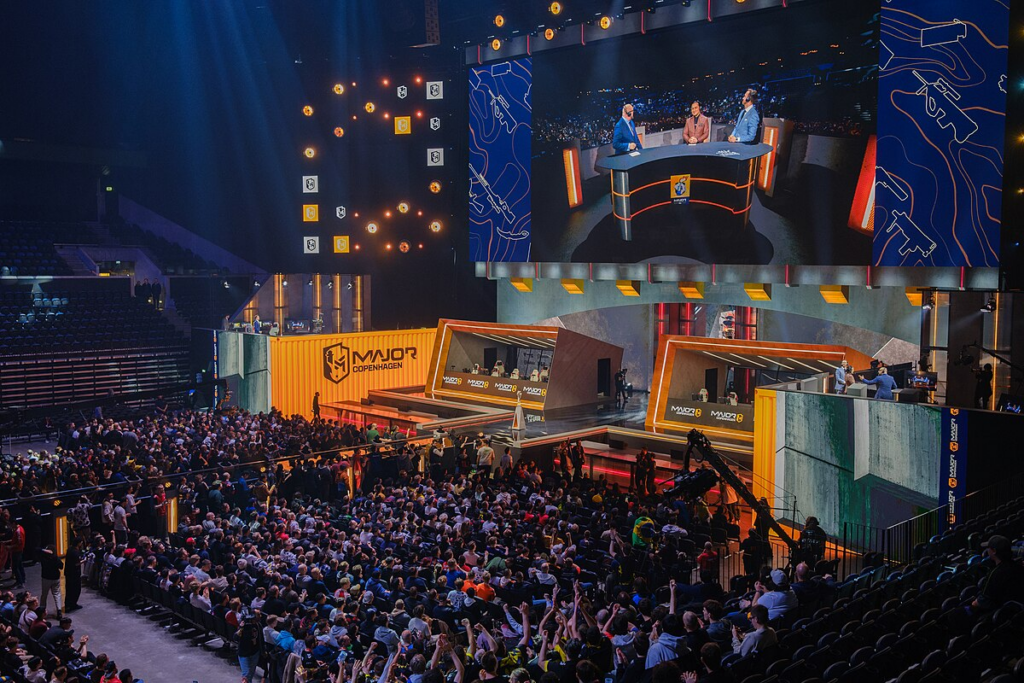
The gaming industry has, in recent years, transformed into one of the most dynamic segments of the global media landscape. News about esports, game updates, or player transfers now spreads faster than match results in traditional sports. Social media, streaming platforms, and active online communities have created an environment where information instantly goes viral. As a result, gaming increasingly sets the pace of the news cycle, shaping new standards of speed and audience engagement.
Gaming headlines now spread faster than traditional sports news, thanks to the rapid growth of online platforms and mobile technology. Fans and bettors no longer need to wait for television broadcasts or next-day newspapers to get updates about their favorite teams, matches, or esports events. With just a smartphone or computer, users can quickly access your 1xBet account to check live scores, follow real-time odds, and stay updated with the latest gaming developments. This instant accessibility allows players to react immediately to breaking news, place informed bets, and remain connected to the fast-paced world of online gaming and sports entertainment.
Digital Environment as a Catalyst for Speed
Just ten years ago, major sports news revolved around television broadcasts, print publications, and official club press releases. Today, however, the gaming industry operates at a different rhythm — the rhythm of immediacy. Platforms such as Twitch, YouTube, X (Twitter), Discord, and Reddit have built an ecosystem where information spreads at the speed of a click. News about an esports transfer or a major team controversy can become a global trend within minutes.
This is especially evident in communities surrounding titles like Counter-Strike 2, League of Legends, and Dota 2. Here, news is not only consumed — it is analyzed, discussed, and enriched with insider insights. Analytical posts, statistics breakdowns, or even content featuring recommendations such as cs2 betting tips are quickly picked up by fans, bloggers, and niche media channels. Users actively share content, add their own perspectives, create memes — and in doing so, multiply its reach without the involvement of traditional media.
Unlike classic sports, where news often passes through editorial filters, gaming allows information to circulate with almost no barriers. Players can announce changes on Twitter or during live streams, bypassing journalists entirely. As a result, the speed of news distribution depends not on TV networks or newspapers, but on the activity of the online community.
Social Media and the Culture of Instant Reaction
A key factor behind the rapid spread of gaming headlines is the culture of instant reaction. In traditional sports, match discussions typically happen after the game — in studio panels, press conferences, or analytical programs. In esports, reactions begin during the broadcast itself. Stream chats, comment sections, Reddit threads, and posts on X create a live stream of opinions that becomes a news source in its own right.
Social media algorithms further amplify this effect. When a topic starts gaining traction, it is automatically pushed into recommendations, trending lists, or “hot” sections. A roster change or a shocking upset can reach audiences across continents within an hour. In traditional sports, even major events require time to pass through media platforms and receive full coverage.
Moreover, the gaming audience is generally younger and more active in the digital space. They are accustomed to consuming information via mobile devices, reacting quickly, and sharing content instantly. This behavioral pattern makes gaming news organically viral — it aligns perfectly with how modern generations consume information.
The Role of Influencers and the Players Themselves
In traditional sports, the primary sources of news are journalists, club press offices, and official organizations. In gaming, however, every popular player or streamer essentially acts as a media outlet. A single tweet from a star esports athlete can spark dozens of articles, reaction videos, and analytical pieces. Influencers have direct access to their audience, minimizing the delay between an event and its public exposure.
Furthermore, live streams have become a new form of press conference. Players can openly discuss internal conflicts, share behind-the-scenes insights, or hint at upcoming transfers in real time. These moments are instantly clipped into short videos that spread across TikTok, YouTube Shorts, and other platforms. Each clip creates a new wave of information distribution.
Importantly, audiences often trust personal channels more than official statements. While a football player may be restricted by contractual obligations, an esports player frequently communicates with the community without intermediaries. This creates a sense of closeness and significantly increases interest in any piece of news, even one with a relatively minor informational trigger.
Global Reach and the Absence of Geographical Barriers

Traditional sports are often tied to regional leagues and national championships. Although major tournaments such as world championships or the Champions League have global reach, most news remains confined within specific countries or regions. In gaming, nearly every major tournament is immediately aimed at an international audience.
The online format allows events to be broadcast without restrictions. A tournament in Copenhagen can be watched simultaneously in Brazil, South Korea, or Ukraine. News about a sensational upset or a dramatic final becomes shared content for the entire global community. Language barriers are reduced thanks to automatic translation tools and multilingual commentators.
Additionally, esports exists entirely within the digital space. Matches are played online or streamed via the internet, meaning every event already has built-in infrastructure for instant distribution. Unlike traditional sports, where physical presence and television contracts play a significant role, gaming was designed from the beginning for a digital ecosystem.
Conclusion
The speed at which gaming news spreads is not accidental — it is the result of several converging factors: the industry’s digital nature, the activity of a younger audience, the power of social media, and the direct communication between players and fans. While traditional sports still largely rely on classic media and regulated information channels, gaming thrives in an open, decentralized communication environment.
In a world where information has become currency, those who distribute it faster hold the advantage. That is why gaming increasingly sets the pace of the modern news cycle, leaving traditional sports in a reactive position. And with the continued development of digital platforms, this trend is only likely to intensify.
About Author