Germ Alert AI Dongle: How This Pocket Sensor Detects Pathogens Fast (2026 Guide)
 Zynthoris Phaelindrose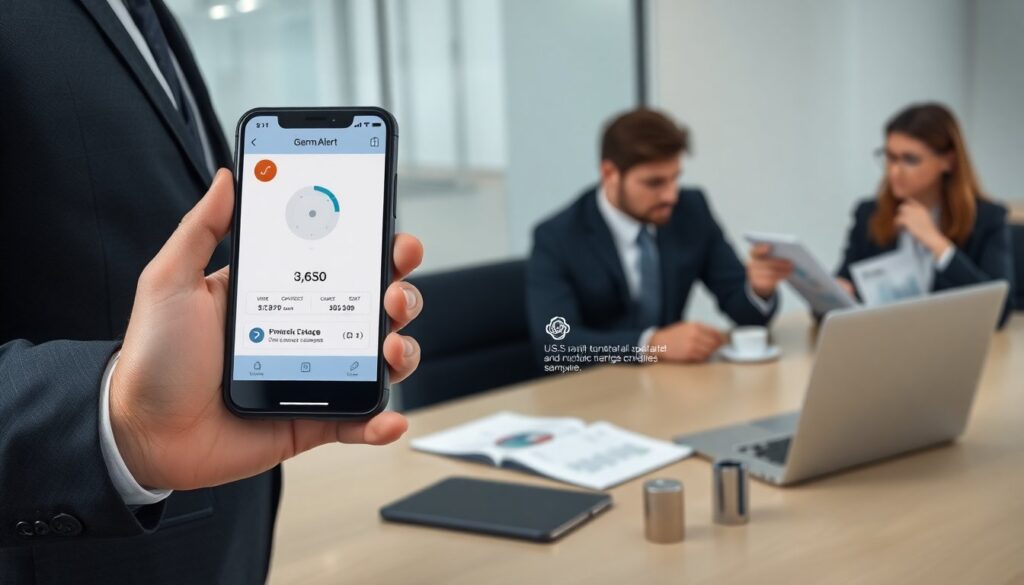
Germ alert ai dongle dnalrtsnsw is a pocket sensor that scans air and surfaces for pathogen markers. It uses small sensors and on-device AI to flag likely threats. The device sends results to a phone app and to cloud services. This guide explains who benefits, how the unit works, and what users must know to trust its readings.
Key Takeaways
- The Germ Alert AI Dongle is a portable sensor that quickly detects pathogen markers in air and on surfaces using on-device AI for early warning.
- Users can monitor indoor air quality or shared spaces, making it ideal for homes, businesses, travelers, and health professionals needing rapid situational awareness.
- The device’s AI analyzes signal patterns related to DNA markers, focusing on biological threats rather than generic particles, which impacts sensitivity and result time.
- Setting up the dongle involves charging, pairing with a phone app, calibrating with control cartridges, and establishing a baseline for accurate readings.
- While the dongle provides risk scores and alerts, users must treat results as preliminary and confirm with professional lab tests for critical decisions.
- Data privacy and regulatory compliance vary; users should verify vendor policies on data collection, storage, and health claim validations before use.
What The Germ Alert AI Dongle Is And Who It’s For
The Germ Alert AI Dongle is a handheld sensor that detects biological markers. It targets users who need quick situational awareness. Home users check indoor air. Small businesses monitor shared spaces. Travelers test hotel rooms or transit seats. Health teams use it as a preliminary screen before lab tests. The device trades lab depth for speed and convenience. It gives an early signal that prompts confirmatory testing when results show elevated risk. Buyers should match the device capabilities to their use case and risk tolerance.
How The Device Works: Sensors, AI Models, And Connectivity
The dongle houses optical sensors, microfluidic cartridges, and a small processor. It samples air or swab fluid and reads signal patterns. The on-device AI compares patterns to known signatures. The AI model classifies signals as likely benign or likely pathogen. The device uses Bluetooth or Wi‑Fi to send results to a phone. The phone app records timestamps and location if allowed. Users view a simple risk score and a short explanation. The system updates models over the cloud to improve classification. Buyers should verify update policy and offline behavior before use.
The Role Of “dnalrtsnsw” — What The Term Likely Refers To And Why It Matters
The string dnalrtsnsw likely refers to a DNA-related algorithm or a file tag used in the device firmware. It may map to a DNA-read alignment step or to a model that reads short nucleic fragments. The term matters because it hints at the device focus on nucleic markers rather than generic particles. If the dongle uses DNA detection, it will detect genetic fragments from bacteria or viruses. Users should confirm whether the device sequences, amplifies, or only detects signal patterns. That choice affects sensitivity, time to result, and the need for consumables.
Step-By-Step Setup And First-Time Installation
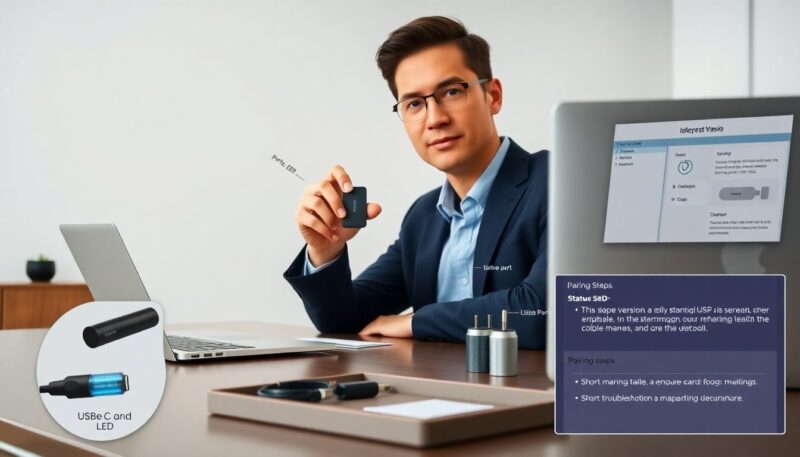
Unpack the dongle and inspect the cartridge slot. Charge the device fully before first use. Install the companion app on a phone and create an account if required. Pair the dongle via Bluetooth following the app prompts. Run the first calibration routine as the app instructs. Insert a blank or control cartridge when prompted. Perform a baseline test in a known clean area to record a reference reading. Save that baseline in the app. Review the tutorial screens to learn how the app displays risk scores and recommended actions.
Accuracy, Limitations, And How To Interpret Readings
The dongle reports a probability or a risk band rather than a definitive diagnosis. Users should treat positive signals as alerts that require further testing. Sensitivity varies by pathogen type, sample method, and cartridge quality. Environmental factors such as humidity and dust can change readings. The AI can return false positives and false negatives. The device will perform best when users follow sampling protocols and replace cartridges on schedule. The app should show confidence metrics. Users should compare dongle alerts to lab PCR or culture tests when accuracy matters.
Privacy, Data Security, And Regulatory Considerations
The device sends sensor data and timestamps to servers when cloud updates run. Users should confirm what the vendor collects and how long it stores data. The app should offer clear consent controls and export options. Medical regulators treat diagnostic claims differently from screening tools. Vendors must avoid unapproved health claims in their marketing. Buyers should look for third‑party validation studies or emergency use authorizations where applicable. Organizations that deploy many dongles should consult legal and compliance teams before collecting user location or identity data.
Troubleshooting, Maintenance, And When To Seek Professional Testing
If the device fails to pair, restart the phone and the dongle. If readings seem inconsistent, run a control test and replace the cartridge. Keep the sensor ports clean and store cartridges in recommended conditions. Update firmware and app when the vendor releases patches. Calibrate the device periodically per instructions. Seek professional lab testing when results affect clinical care, legal decisions, or workplace safety. Use the dongle as a triage tool and not as the final authority for medical or legal outcomes.
About Author