Portable AR EyeTulip: How DigXain WS Alerts Transform On‑The‑Go Augmented Reality (2026 Guide)
 Zynthoris Phaelindrose
The portable ar eyetulip digxainwsalerts solution lets teams get alerts while they move. It combines lightweight hardware with low-latency alerting. The introduction states purpose, scope, and audience. Readers learn what EyeTulip hardware does and how DigXain WS Alerts deliver messages. The tone stays clear and practical. The article uses examples in field service, healthcare, navigation, and events.
Key Takeaways
- The portable AR EyeTulip device offers lightweight hardware and seamless integration with DigXain WS Alerts for efficient, hands-free alerting on the move.
- DigXain WS Alerts utilize a low-latency, secure publish-subscribe model that prioritizes urgent messages for real-time delivery.
- Practical applications include field service, healthcare, navigation, and live events where clear, prioritized AR overlays improve situational awareness.
- Setup best practices involve pairing devices, tuning message lifetimes, limiting payload size, and testing under real-world conditions to ensure reliability.
- Robust privacy and security measures protect data through encryption, authentication, compliance with regulations like HIPAA and GDPR, and regular vulnerability assessments.
Portable AR EyeTulip At A Glance: Hardware, Form Factor, And Core Features
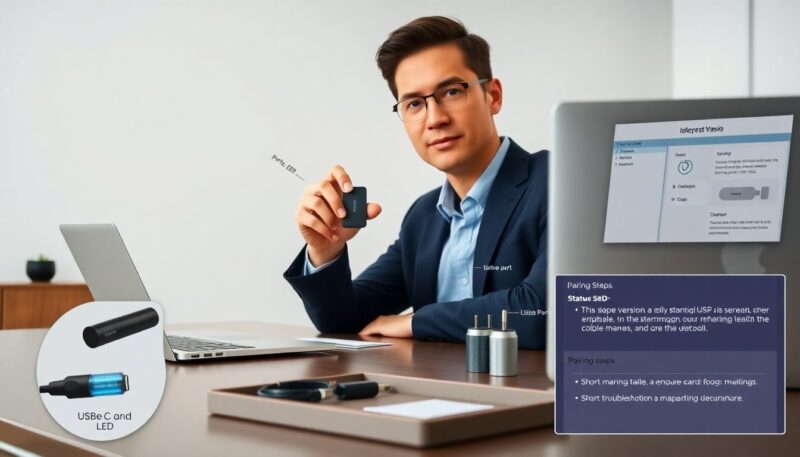
EyeTulip ships as a compact headset and clip-on module. The headset rests on the temple and sits lightweight on the head. The clip-on module connects to a phone or wearable via USB-C or Bluetooth. The display shows simple overlays with high contrast. The system uses a local GPU accelerator to render AR frames. The battery delivers four to eight hours depending on brightness. The housing uses aluminum and polymer. The device supports voice, gesture, and simple touch controls. It pairs with Android and iOS apps. The device accepts OTA firmware updates. The portable ar eyetulip digxainwsalerts stack tightens integration between hardware and network.
DigXain WS Alerts Explained: Architecture, Delivery, And Latency
DigXain WS Alerts use a publish-subscribe model. The server pushes messages to a WebSocket gateway. The gateway maintains persistent connections to EyeTulip clients. The client acknowledges receipts and syncs state with the server. The delivery path reduces hops to cut latency. The system supports TLS encryption to protect payloads. It uses JSON for payloads and binary frames for larger assets. The backend supports priority queues for urgent alerts. The mobile client buffers alerts during brief disconnects. The architecture limits data sent to necessary fields only. The portable ar eyetulip digxainwsalerts design optimizes for low power and fast updates.
Practical Use Cases: Field Service, Healthcare, Navigation, And Live Events
A technician wears EyeTulip on a rooftop. The server sends a DigXain alert that highlights a panel and lists steps. The technician follows the overlay and marks tasks done. A nurse receives a vital alert and reads a quick checklist without leaving the bedside. A cyclist gets lane-safe navigation that displays turns and warns about hazards. At a concert, venue staff see crowd density alerts and route updates on their heads-up. Each use case favors short, prioritized messages. Each use case demands low latency and clear overlays. The portable ar eyetulip digxainwsalerts model fits mobile teams who need hands-free, immediate guidance.
Setup, Tuning, And Best Practices For Reliable Mobile Alerting
They install the EyeTulip app on a phone and pair the device. They register the device with the DigXain console. They assign channels and set priorities per role. They tune message TTL to avoid stale overlays. They enable edge nodes close to users to reduce round trips. They limit payload size and use icons instead of large images. They set retry policies and backoff intervals for intermittent networks. They test under real movement and measure end-to-end latency. They log failures and review delivery stats weekly. These steps help teams keep the portable ar eyetulip digxainwsalerts system dependable.
Privacy, Security, And Compliance Considerations For Wearable AR Alerts
Teams encrypt alerts in transit and at rest. They use per-device certificates for authentication. They anonymize personal data in overlays when possible. They scope data retention and purge logs on schedule. They apply role-based access to channels and alerts. They document consent and display privacy notices in the app. They audit third-party services that handle routing. They test for common vulnerabilities and run regular penetration tests. They map alerts to legal frameworks like HIPAA or GDPR where relevant. They create incident plans that include device recovery. The portable ar eyetulip digxainwsalerts approach protects user data and meets compliance needs.
About Author