Sarah Jacobson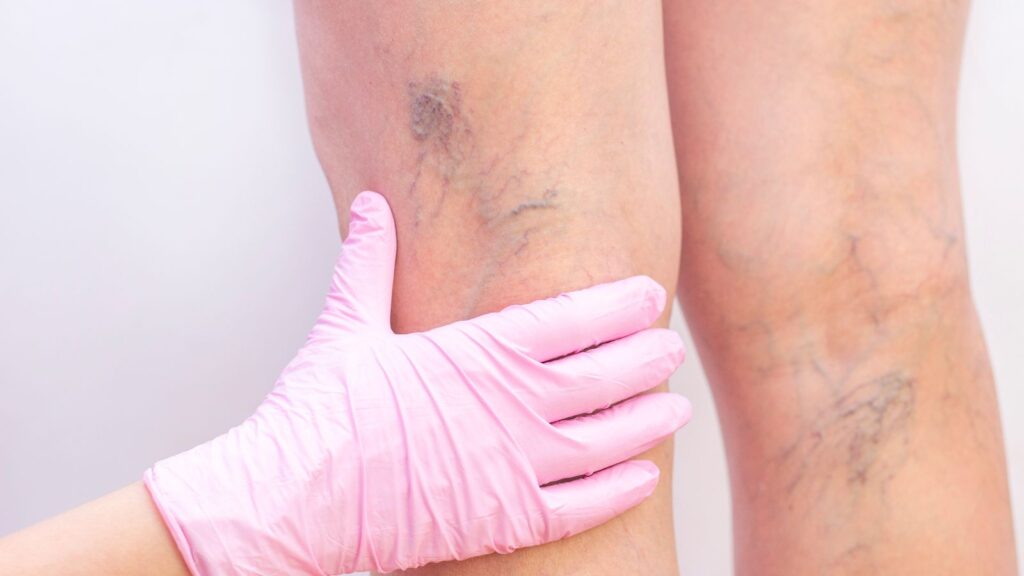
Varicose and spider veins affect millions of adults and can range from a cosmetic nuisance to a source of pain and medical complications. When symptoms worsen or conservative measures no longer help, searching for a vein specialist near me becomes an important next step. This guide explains what varicose and spider veins are, when to consult a specialist, how venous disease is diagnosed, the treatment options available, what recovery typically looks like, and practical tips on cost and provider selection. It’s written for busy professionals—such as online business owners and agency leaders—who need clear, actionable guidance without wading through medical jargon.
What are Varicose Veins and Spider Veins?
Varicose veins are enlarged, twisted veins usually visible under the skin of the legs. They result from malfunctioning valves inside superficial veins, which allow blood to pool and the vein to dilate. Spider veins are smaller, network-like capillaries near the skin’s surface that often look like a web or tree branch. Both are overwhelmingly common; estimates suggest up to 30% of adults show some form of venous insufficiency, and risks rise with age, pregnancy, prolonged standing, obesity, and a family history.
Symptoms vary. Many experience only cosmetic concerns, but others report aching, heaviness, swelling, itching, restless legs, or skin changes such as discoloration. In advanced cases, poorly managed venous disease can lead to venous ulcers or deep vein thrombosis (DVT). The difference between a cosmetic spider vein and a pathologic varicose vein isn’t always obvious to a patient: that’s why a vein doctor evaluates both appearance and function.
When to See a Vein Doctor
A person should consider visiting a vein doctor when symptoms interfere with daily life or when visible veins cause concern. Specific triggers include:
- Persistent leg pain, aching, or heaviness that worsens after standing or at day’s end.
- Swelling in the ankles or lower legs not explained by other causes.
- Skin changes such as brownish discoloration, eczema-like rashes, or early ulcer formation.
- Recurrent bleeding from an obvious varicose vein.
- Cosmetic distress affecting confidence or occupation.
For time-constrained entrepreneurs and agency managers, early consultation avoids disruption. A timely visit can prevent progression that might require more invasive and time-consuming treatment later. They should prioritize symptoms that limit work or travel, or any sign suggesting infection or ulceration.
How Vein Doctors Diagnose Venous Disease
Diagnosis is primarily clinical but relies heavily on duplex ultrasound to measure blood flow and valve function. A typical diagnostic pathway includes:
- Medical history and physical exam: The doctor asks about symptom patterns, family history, pregnancy, prior leg injuries or surgeries, and occupational factors such as long hours standing.
- Visual inspection and mapping: The clinician examines the patient standing and may mark visible veins to plan treatment.
- Additional testing: In complex cases, venography, CT, or MR venography might be used, especially when suspected pelvic venous disease or prior interventions complicate anatomy.
A vein doctor then explains whether symptoms are primarily cosmetic or clinically significant and outlines treatment priorities. For professionals with limited availability, many practices now offer concise pre-visit questionnaires and digital ultrasound reports to speed decision-making.
Common Treatment Options Explained
Vein treatment has shifted strongly toward office-based, minimally invasive therapies with rapid recovery. Selection depends on vein size, location, severity of reflux, patient goals, and comorbidities.
Minimally Invasive Procedures
Endovenous thermal ablation (laser or radiofrequency) is the standard for treating larger refluxing saphenous veins. Using local anesthesia and ultrasound guidance, the doctor closes the faulty vein, redirecting blood into healthy channels. Patients often return to work within a day or two. Advantages include high success rates (usually >90% primary closure at one year) and minimal scarring.
Sclerotherapy and Foam Sclerotherapy
Sclerotherapy injects a chemical sclerosant into small to medium veins, collapsing them. Foam sclerosants allow treatment of slightly larger veins and areas where ultrasound guidance is needed. Sessions are quick, performed in-office, and are ideal for spider veins and residual varicosities after treating the main reflux source. Multiple sessions may be required for optimal cosmetic results.
Surgical and Advanced Interventional Options
Although less common today, ambulatory phlebectomy remains useful for removing large, bulging tributaries. In complex reflux or obstruction, such as iliac vein compression, stenting or open bypass might be recommended. A multidisciplinary approach with vascular surgeons or interventional radiologists is typical when anatomy is complex.
Lifestyle, Compression, and Adjunct Therapies
Conservative measures remain foundational: graduated compression stockings, regular exercise, weight management, and leg elevation. Compression can reduce symptoms and swelling and is often recommended immediately after procedures. Adjunct therapies like topical agents or physiotherapy support recovery but don’t replace procedural interventions when reflux is the driver.

What to Expect During Treatment and Recovery
Most modern vein procedures are outpatient and completed in under an hour. The patient is usually awake, receives local anesthesia, and may feel mild pressure or cramping during treatment. After completion, the treated leg is wrapped and a compression stocking is applied.
Recovery timeline:
- Day 0–2: Mild discomfort, bruising, and tightness are common. Walking is encouraged: strenuous exercise should be avoided for 1–2 weeks.
- Week 1–2: Bruising fades, and most patients return to work within a few days, depending on job demands.
- Weeks 4–12: Treated veins shrink or become less visible: ultrasound follow-up typically occurs within this window to confirm closure.
The doctor will provide specific post-procedure instructions and schedule follow-up visits. For professionals managing tight schedules, many vein clinics offer early-morning or after-hours slots and digital follow-ups to minimize time away from work.
Risks, Complications, and When to Seek Help
Complications are uncommon but can include:
- Superficial thrombophlebitis (tender cord-like veins).
- Bruising, hyperpigmentation, or skin staining at injection sites.
- Nerve irritation or temporary numbness near treated veins.
- Rarely, deep vein thrombosis or skin ulceration.
Patients should contact their vein doctor immediately for increasing pain, redness suggesting infection, chest pain, shortness of breath, or calf swelling, signs requiring urgent evaluation.
Insurance Coverage, Costs, and Financial Considerations
Insurance coverage often hinges on whether treatment is deemed medically necessary. Insurers typically cover procedures when symptoms such as pain, swelling, recurrent bleeding, or skin changes are documented and when a duplex ultrasound confirms reflux. Cosmetic-only treatments (for spider veins without symptoms) are commonly out-of-pocket.
Costs vary by region and treatment: endovenous ablation, sclerotherapy sessions, and any adjunct procedures each carry separate fees for facility, physician, and imaging. As a rough guide, patients can expect:
- Duplex ultrasound: commonly billed separately.
- Sclerotherapy (per session): lower out-of-pocket cost but may require multiple sessions.
- Endovenous ablation: higher single-procedure cost but often definitive for saphenous reflux.
Vein clinics often provide insurance preauthorization services and transparent pricing. Busy business owners should request an itemized estimate and discuss payment plans or the potential to bundle treatments into a single visit to limit time away from work. When using insurance, ensure documentation lists objective findings (ultrasound results, symptom notes) to support medical necessity.
How to Choose the Right Vein Specialist
Choosing a vein specialist matters for outcomes and convenience. Key considerations include:
- Credentials and focus: Board certification in vascular surgery, interventional radiology, or phlebology indicates specialized training. Look for clinicians who treat venous disease regularly rather than as an occasional service.
- Use of duplex ultrasound: The physician should perform an in-office ultrasound mapping rather than relying solely on external reports.
- Range of treatments: A clinic that offers both minimally invasive and advanced options can tailor care to the patient’s anatomy and goals.
- Patient experience and logistics: For entrepreneurs, clinic hours, streamlined intake, telehealth follow-ups, and clear pricing matter.
- Outcomes and reviews: Before-and-after photos, outcome statistics, and patient testimonials provide insight; just be mindful of curated content.
It’s reasonable to request a brief pre-visit call to cover logistics and ask how the clinic documents medical necessity for insurance. A good vein doctor balances technical skill with clear communication and schedules that respect a professional’s time.
Conclusion
Varicose and spider vein treatment has become more effective, less invasive, and better tailored to patient lifestyles. For professionals juggling businesses or client responsibilities, modern vein clinics offer efficient diagnostics, office-based procedures, and flexible follow-up options that minimize downtime. The right time to see a vein doctor is when symptoms affect function or quality of life, or when visible veins create persistent concern. By choosing a specialist who emphasizes diagnostic ultrasound, offers a full range of treatments, and helps navigate insurance and scheduling, a patient can restore comfort and confidence with minimal disruption to work. When in doubt, a focused consultation is a small investment that can prevent bigger problems and more time off down the road.
About Author