Matty Erickson
Whether you’re driving your own or an employee, every car tracks more than the miles; it records moments that can decide your future. From sudden stops to exact speed, every detail can influence insurance claims and shape legal outcomes.
You may need to stick to some basics if you drive in 2026; know what you can access, control, and protect within your turf.
You Can Request Event Data Recorder Information After a Crash
One trusted device in most modern vehicles now includes an event data recorder, your car’s black box. It’s like taking screenshots of every move, like speed, braking, seatbelt use, and timing in the seconds before, and that very moment another car hits yours.
In most regions, including the United States, the vehicle owner or lessee generally has rights over the data collected in their car. However, getting them isn’t without a struggle; it’s not always instantly allowed. Most insurers, manufacturers, or investigators may require consent, legal requests, or specific tools to get the most-needed info.
This data matters because it’s often used to reconstruct (or revisit) accidents. A thorough review (at the earliest opportunity, too) can help you confirm whether it accurately reflects what really happened before and during the impact.
For example, if the record shows you braked before impact, it can help counter claims of distracted driving by showing your reaction time and actions concretely.
You Can Choose Whether to Join Telematics Programs
Telematics programs are becoming a common part of modern car insurance. They promise savings, but they also rely on how your driving is tracked and interpreted.
Before you sign up, here’s what to pay attention to:
- Participation is usually optional
You can choose to enroll, and most programs allow you to leave if it no longer fits your needs.
- Your driving behavior is monitored
This can include speed, braking, phone use, and when you drive.
- Data collection can vary
Some programs track detailed location data, while others focus only on driving habits.
- Control depends on the provider
Certain apps let you adjust permissions, but others require full data sharing to stay enrolled.
- Your data can affect your premium
Safe driving may lower costs, but misinterpreted or incomplete data could increase them.
Taking a few minutes to review the terms and app settings can help you avoid surprises and make sure the program works in your favor.
You Can Use Dashcam Footage As Evidence
It’s not just your ever-upgrading smartphones; dashcams are getting the fav vote too, especially for car owners and drivers. They can provide you with a direct and more credible record of what really transpired when your car was hit.
In more precise words, if you install a dashcam, you own the footage it keeps. You’re the rightful owner who can use it in insurance claims or legal disputes, especially when fault isn’t quite clear.
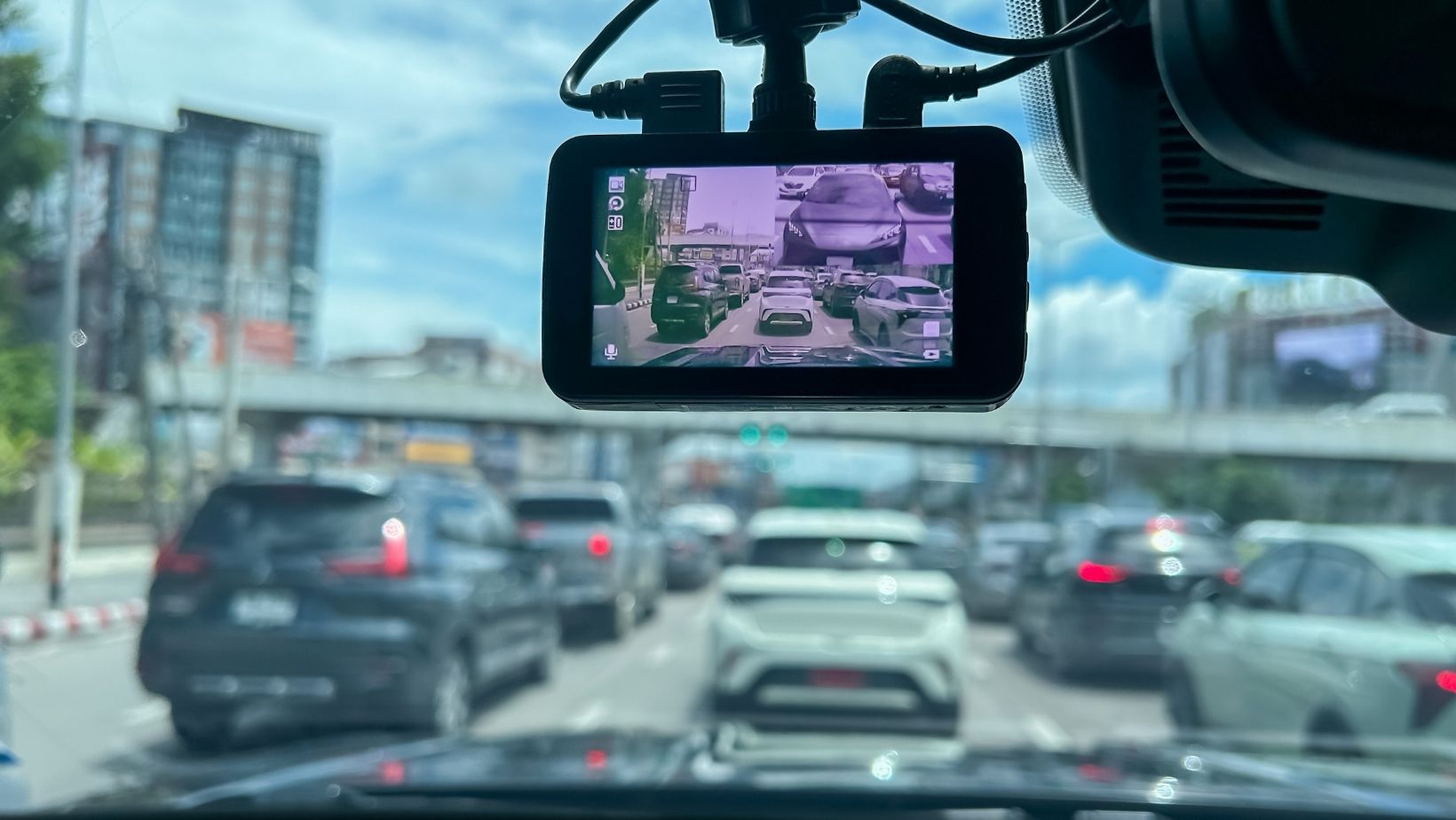
For instance, if another driver runs a red light, your car’s video footage can help establish what actually happened. In more serious instances, experienced professionals like California crash injury lawyers can be relied upon to use clear video evidence to strengthen your claim and help you see through liabilities early.
There’s a caveat, however, your local laws may limit how recordings are used, especially when audio or private property is involved, touching privacy laws. Still, your footage is already a strong visual evidence that can reduce disputes and help move cases toward resolution fast.
You Can Request Access to Personal Data Under Privacy Laws
Privacy laws, while quite personal, are also evolving, particularly in places like California. Under some regulations, like the Consumer Privacy Act, you can request that you too can access every personal data collected about you, including those info linked to your connected services or driving apps.
If you really need to, you may also request deletion of certain data, although companies can keep information when irrefutably required for legal, safety, or fraud-related justifications.
All these can be quite relevant after your crash, since location history or driving records may be used to understand events that led to the mishap.
Globally, more countries are expanding these kinds of protective measures. Meaning, drivers are gaining more visibility into what data is collected and how it is used, especially against them.
Why These Rights Matter
After your crash, decisions aren’t based on memory (even if they include other victims’) alone. However, your vehicle’s data can credibly confirm your actions, question the other driver’s story, and help you figure out how fault can be aptly assigned.
Insurers today lean heavily on digital records (maybe because they’re quite irrefutable), so what’s recorded often carries real weight, even in court. When you understand and know how to take a step forward with your rights, you stay in control instead of being defined by data alone.
Take Control Before Data Speaks for You
You need not be an expert to manage your vehicle-recorded footage. Your time today may be your best starting point. You’re already equipped with records and details from your vehicle.
Maximize them today by knowing how to access and use them so you’ll be in a stronger position when and where it matters the most.
About Author